USA: What the F**k is this Place?
Podcast host and screenwriter Gjermund Eriksen introduces four films that cast a critical eye on the American Dream, in the USA strand "What the F**k is this Place".
The American Dream has long been built on four tenacious ideals: success, freedom, belonging and individuality. These four films examine what happens when those ideals collide with reality – and meet their opposites: tragedy, oppression, helplessness and erasure.
The USA has never been a single, unified story, but a nation in continuous conflict with its own founding myths. Through wildly different genres – family drama, western, road movie and coming-of-age – the films portray an America where the dream is not first and foremost about succeeding, but about surviving, belonging and holding on to the belief that another life is possible.
Together, the four films tell of a USA striving to live up to its own ideals even as reality keeps challenging them. They are about families, communities and individuals, but also about a nation forever negotiating with the ideas it was built on. The American Dream, then, is not one story but four different struggles for the right to believe in it.
PAPER TIGER
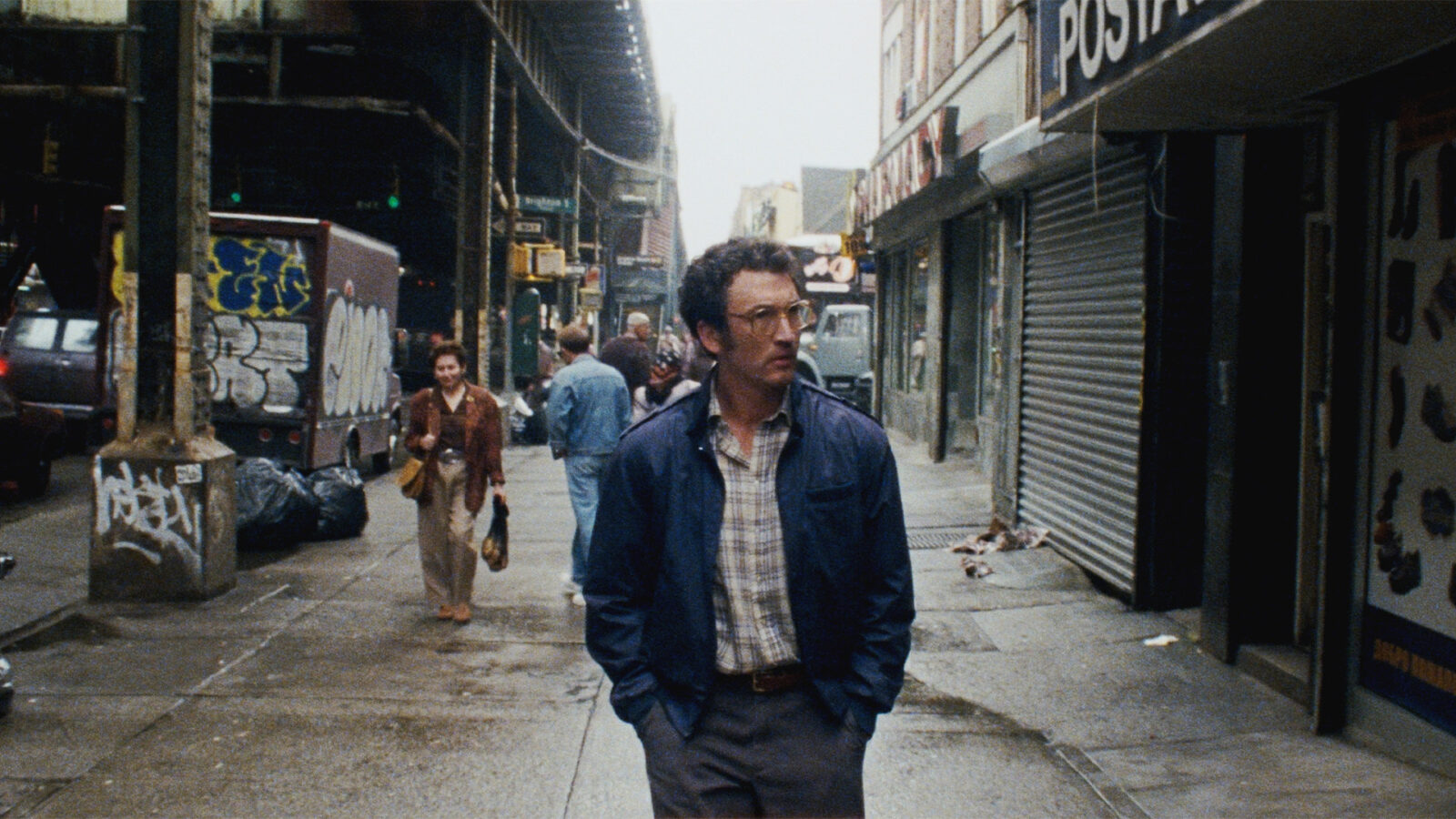
A family and thriller drama set in 1980s New York in 1986, at the height of the Reagan era's worship of the market, wealth and the American Dream.
A middle-class family is squeezed from all sides by unemployment, economic inequality, corruption, heartless capitalism and the looming threat of organised crime. PAPER TIGER is more than a period portrait; it is a mirror of today's American middle class, where economic success is no longer merely a status symbol but a precondition for security and survival.
A PRAYER FOR THE DYING
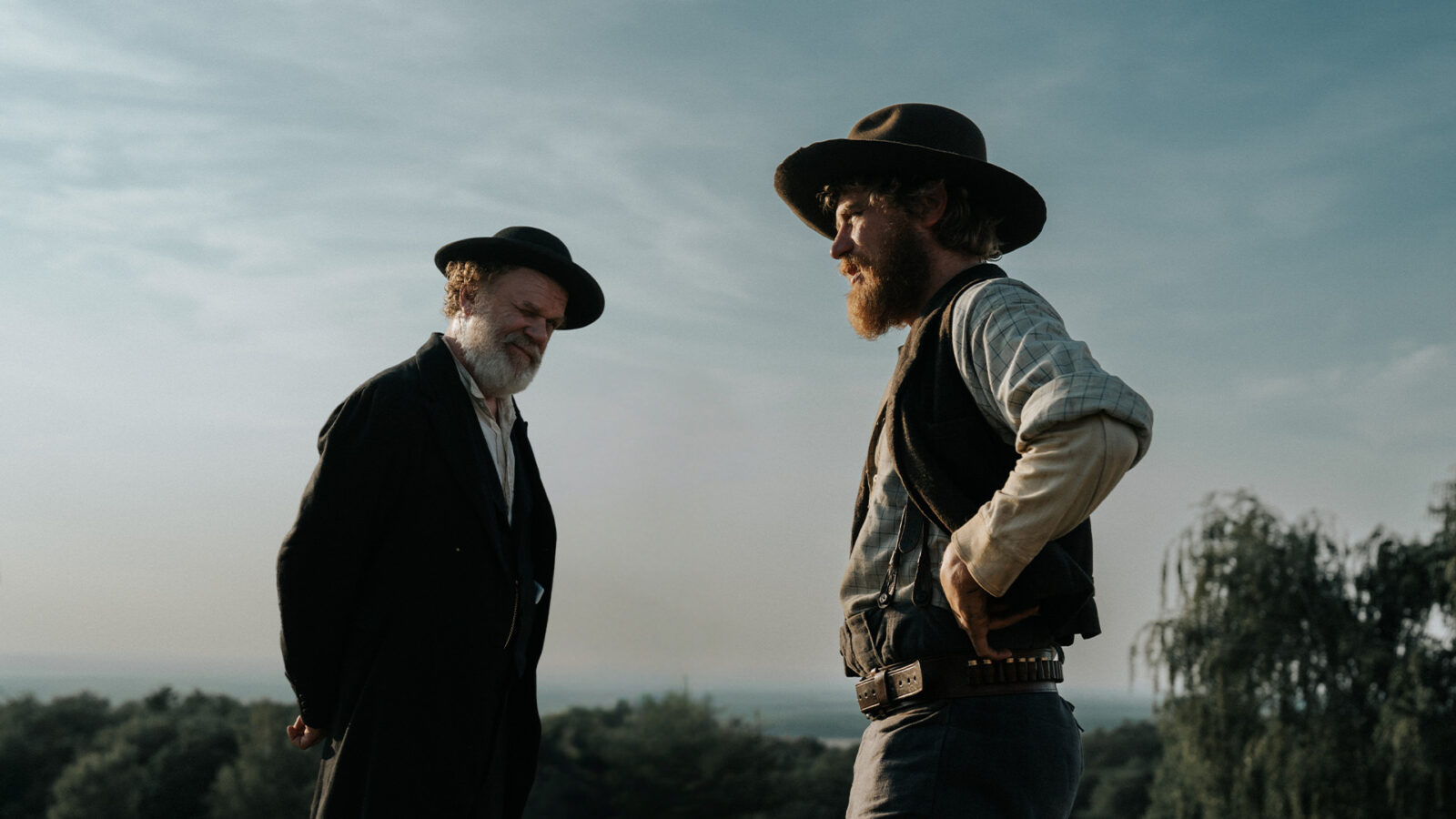
An apocalyptic western and survival thriller with a Norwegian lead character, set in 1870s Wisconsin.
The story examines how a society breaks down when people stop agreeing on what is true. In the midst of a deadly crisis, the characters must choose who to trust: the doctor, the authorities, religion or their own conviction. The project spent 17 years in development, long before the pandemic. When covid arrived, the film's questions about trust, science, faith and reality suddenly became uncomfortably recognisable.
HOT WATER
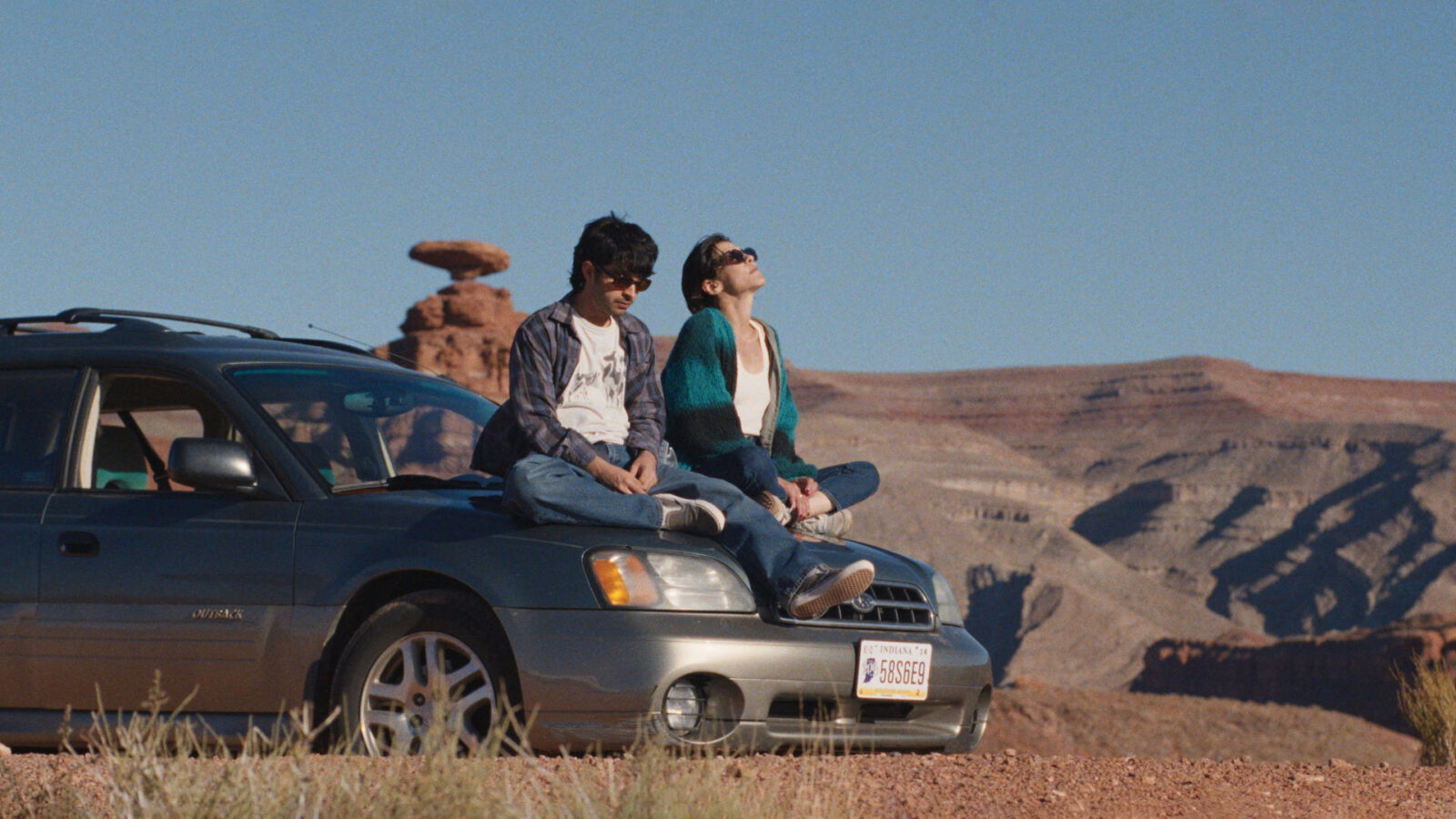
A road-movie comedy about immigration, identity and family – and about perhaps the most contested political issue in the USA.
The film sees the USA through a family that both belongs to the country and, at the same time, stands partly outside it. With America's harsh immigration and deportation policies as its political backdrop, HOT WATER chooses empathy over ideology. The classic American road movie thus becomes a story of diaspora and generations too. America is not just a country the characters live in; it is a country they are trying to find their place in.
MOUSE
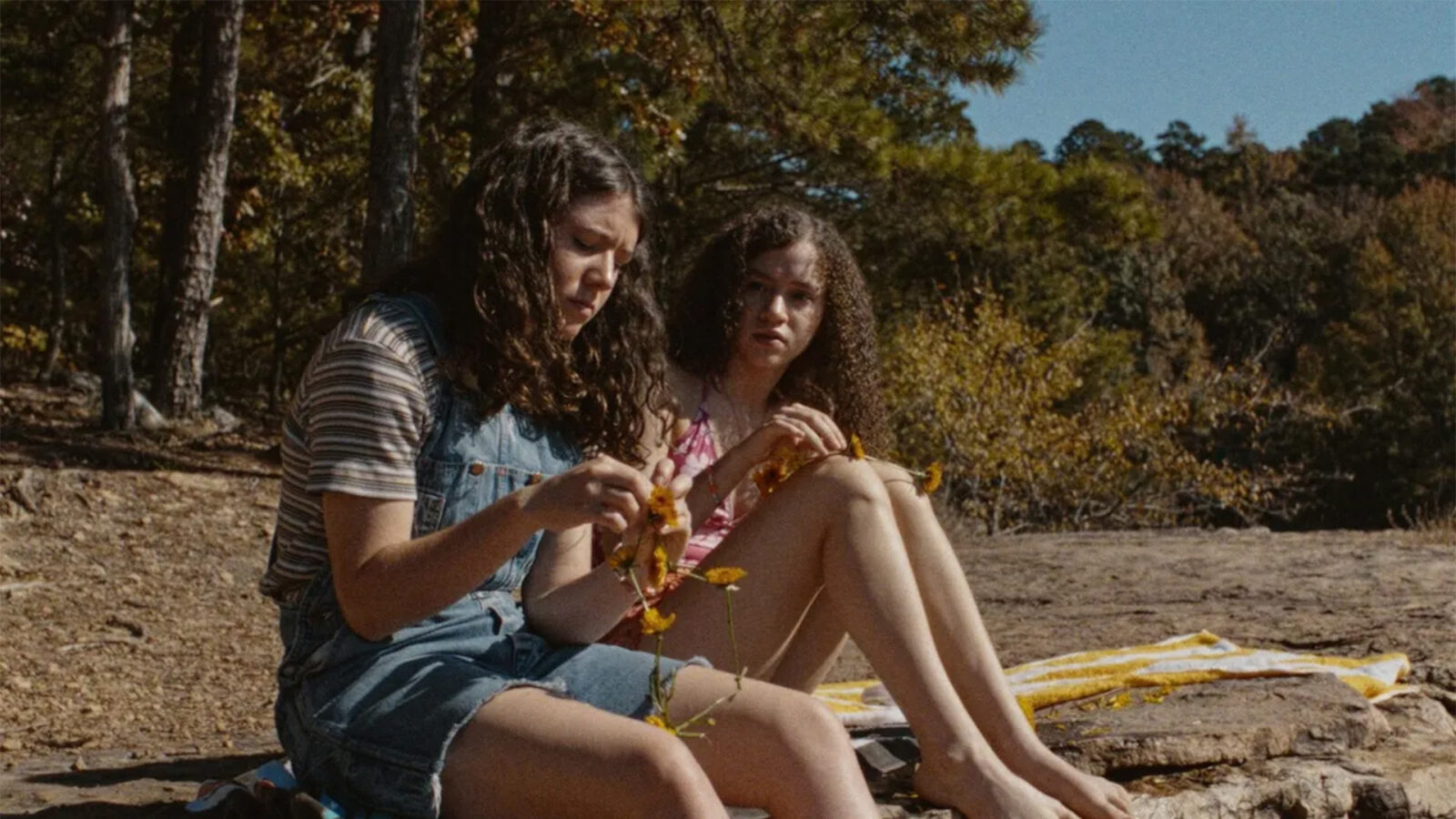
A coming-of-age story set in Arkansas in 2002, about a generation of young people growing up just before smartphones and social media changed the way youth experience the world.
The film examines how young people in America try to shape an identity and a future in a society where opportunity is not necessarily felt to be within everyone's reach. Arkansas is far from the cultural centre of the USA, and the contrast between 2002 and youth today gives the film a view of what has changed – and what remains the same.
But the film's most beautiful question lies in its title: how do you stop making yourself small?


